CN Electronics CN Electronics

How to Choose the Right AC DC Power Adapter for Your Needs?

Time:2026-09-04 Author:Oliver
0%

Choosing the right AC/DC power adapter is crucial for your electronic devices. With various options available, selecting the best one can be daunting. The right adapter ensures device compatibility and optimal performance.

Many users overlook essential factors when choosing an AC/DC power adapter. It’s not just about the price or brand. You must consider voltage, current ratings, and connector size. A mismatch can lead to device malfunction or damage.

Understanding your needs is key. For example, a laptop requires a different adapter than a smartphone. This complexity often leads to confusion. Users may need to revisit their choices. Thorough research and expert guidance can help you make informed decisions. The goal is to find a reliable AC/DC power adapter tailored to your specific requirements.
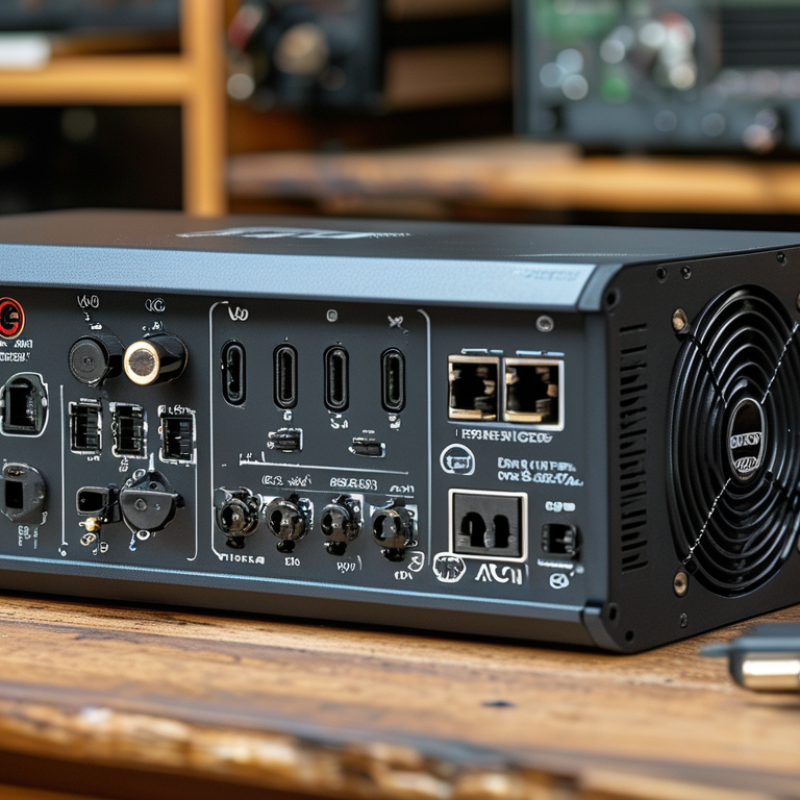
How to Choose the Right AC DC Power Adapter for Your Needs?

Understanding the Basics of AC DC Power Adapters

Understanding AC DC power adapters is crucial for anyone looking to power their devices efficiently. These adapters convert AC (alternating current) to DC (direct current) to provide the necessary power for electronics. Choosing the right adapter is essential to prevent damage to devices and ensure optimal performance. Compatibility with device requirements, including voltage and amperage, is a key factor in selection.

Voltage ratings vary among devices. Too low can lead to malfunction, while too high may damage components. It’s vital to check the specifications of your device before purchasing. Additionally, amperage ratings should not be ignored. A mismatch can prevent the adapter from supplying enough power. When the adapter provides insufficient current, your device may operate unreliably or not at all.

While many adapters appear similar on the surface, small differences can change the game. Materials, design quality, and built-in safety features all impact reliability. Not all cheap options guarantee quality. Sometimes, it pays to invest in a more reliable choice. Reflecting on past experiences may guide you toward better options in the future. Making informed decisions requires understanding these intricacies.

Identifying Your Device's Power Requirements

When selecting an AC DC power adapter, understanding your device's power requirements is crucial. Each electronic device has specific voltage and current ratings, which ensure optimal performance. According to a report by the Power Sources Manufacturers Association, nearly 30% of devices suffer from inadequate power supply, leading to reduced lifespan and malfunction. Identifying these ratings can help prevent such issues.

Start by checking your device's specifications. Look for the voltage (V) and current (A) ratings typically found on a label or in the user manual. It's essential to match these exactly. For example, if a device requires 5V and 2A, using a 5V and 1A adapter may not deliver enough power. This mismatch can cause overheating or damage. Moreover, a study from the International Energy Agency indicates that 20% of energy consumption in household electronics stems from using inappropriate power supplies.

Consider additional factors. The power adapter should also have the correct connector type. Compatibility matters significantly; an ill-fitting adapter can lead to short circuits. Furthermore, quality plays a role. Not all adapters are created equal. Low-quality products may fail to provide stable voltage, risking your device. A robust adapter not only meets power requirements but also adheres to safety certifications. Evaluating these details can make all the difference in ensuring reliable operation and device protection.

How to Choose the Right AC DC Power Adapter for Your Needs? - Identifying Your Device's Power Requirements

Device Type Voltage (V) Current (A) Wattage (W) Connector Type
Laptop 19V 3.42A 65W Round
Smartphone 5V 2A 10W USB Type-C
Tablet 5V 2.4A 12W Micro USB
LED Light 12V 1A 12W Barrel
Electrical Tools 18V 4A 72W Square

Comparing Different Types of AC DC Power Adapters

When selecting an AC DC power adapter, understanding the different types is crucial. There are linear and switching power adapters, each serving distinct needs. Linear adapters offer low noise and stable voltage. They are simpler and cost-effective but often bulkier. Switching adapters, in contrast, are compact and efficient, capable of handling a wide voltage range. According to industry reports, around 70% of power supplies used in consumer electronics are switching adapters due to their flexibility and space-saving designs.

Another aspect to consider is the output voltage and current. Most devices have specific requirements. For example, laptops typically need 19V output, while smartphones often require 5V. Failing to match these specifications can lead to device malfunction. Research shows that voltage mismatches are a common reason for adapter failures, accounting for 30% of reported issues.

Finally, think about safety features. Over-voltage protection and short-circuit protection are vital for preventing damage. Many recent studies emphasize that adapters with built-in safety measures are essential for longevity and reliability. Addressing these factors can ensure your power needs are met while preventing potential hazards.

Evaluating the Quality and Safety Standards of Adapters

When selecting an AC DC power adapter, quality and safety standards are paramount. A reliable adapter must comply with strict safety regulations, like UL or CE certification. These certifications show that the adapter has been tested for electrical safety. Look for indicators such as overcurrent protection and short-circuit protection. These features can prevent potential hazards.

It's essential to examine the materials used in the construction. Cheap plastics may not withstand heat well, leading to failures over time. The power rating should match your device's requirements. An adapter with insufficient power can overheat and damage your electronics. Performance lost during peak usage can create reliability concerns.

Furthermore, consider the manufacturer's reputation. Knowledge about their expertise can shed light on quality. Poor reviews or a lack of transparency often indicate potential issues. People often assume all adapters are the same, but this misconception can lead to regret. Investing time in research can prevent costly mistakes.

Evaluating the Quality and Safety Standards of AC/DC Power Adapters

Tips for Purchasing and Maintaining Your Power Adapter

When purchasing an AC DC power adapter, consider the specific voltage and current requirements of your device. Check the manufacturer's specifications carefully. Using an adapter with incorrect ratings can risk damage or performance issues. Understanding the output specifications is crucial to ensure compatibility.

After acquiring your adapter, proper maintenance can extend its lifespan. Avoid exposing it to moisture or extreme temperatures, as these conditions can degrade performance. It's essential to keep the connections clean and free of dust. Regularly inspect the cord for fraying or damage, as wear can lead to safety hazards.

Power adapters can be overlooked in technology setups. Yet, they play a vital role in device performance. Keeping a spare adapter can also be a good practice, especially for essential tools. Think about how often you rely on your devices. A reliable power adapter ensures your equipment runs smoothly and efficiently.

FAQS

: What types of

C DC power adapters are available?

Why are switching adapters more popular?

Around 70% of power supplies are switching adapters. They save space and handle various voltage levels effectively.

How important is the output voltage and current?

It’s crucial to match the output voltage and current with your device. Mismatched specifications can lead to malfunction.

What voltage do laptops typically require?

Laptops usually need a 19V output. Smartphones commonly require a 5V output.

What can cause power adapter failures?

Voltage mismatches account for about 30% of reported adapter issues. Always ensure correct ratings to avoid problems.

Why are safety features necessary in power adapters?

Over-voltage protection and short-circuit protection are important. They help prevent damage and enhance longevity.

How can I maintain my power adapter?

Avoid moisture and extreme temperatures. Keep connections clean and check the cord for wear regularly.

Why should I keep a spare adapter?

Having a spare adapter is wise for essential tools. It ensures your devices remain operational when needed.

What happens if I use an incorrect adapter?

Using an adapter with incorrect ratings can risk damage. It's important to follow the manufacturer's specifications.

What role does a power adapter play in technology setups?

Power adapters are vital for device performance. They ensure your equipment runs smoothly and efficiently.

Conclusion

Choosing the right AC/DC power adapter is crucial for ensuring that your devices operate efficiently and safely. To begin, it's essential to understand the basics of AC/DC power adapters, including how they convert alternating current (AC) to direct current (DC) to match the needs of your device. Identify the power requirements of your device to select an adapter with the appropriate voltage and current ratings.

When comparing different types of AC/DC power adapters, consider factors such as compatibility and efficiency. Evaluating the quality and safety standards of adapters ensures that you purchase a product that protects both your device and yourself. Finally, follow tips for purchasing and maintaining your power adapter, as proper care can extend its lifespan and maintain performance. By thoroughly examining these aspects, you can make an informed decision that meets your needs.

Oliver

Oliver

Oliver is a seasoned marketing professional with a wealth of expertise in driving brand awareness and engagement. With a deep understanding of our company's product offerings, he consistently delivers high-quality content that enriches our professional blog. His insights not only shed light on......