CN Electronics
In today's tech-driven world, the demand for efficient AC/DC-Wall Mounted Power Supplies is on the rise. According to the latest market analysis by Industry Research Insights, the global demand for these power supply units is expected to grow by 6.7% annually over the next five years. This growth is driven by rapid advancements in electronic devices and the need for reliable power solutions.
Experts like Dr. Emily Chen, a leading authority in power supply technology, emphasize, "Quality and efficiency in AC/DC-Wall Mounted Power Supplies are crucial for optimizing device performance." This statement underscores the importance of selecting the right power supply. Inadequate power supplies can lead to device malfunctions and reduced lifespan, a critical consideration for consumers.
Choosing an AC/DC-Wall Mounted Power Supply is not just about price. It involves understanding specifications and features tailored to your device's needs. In the ocean of options, finding the best fit can be overwhelming. As the industry evolves, consumers must stay informed about emerging technologies and trends. This guide aims to assist buyers in navigating the market effectively.
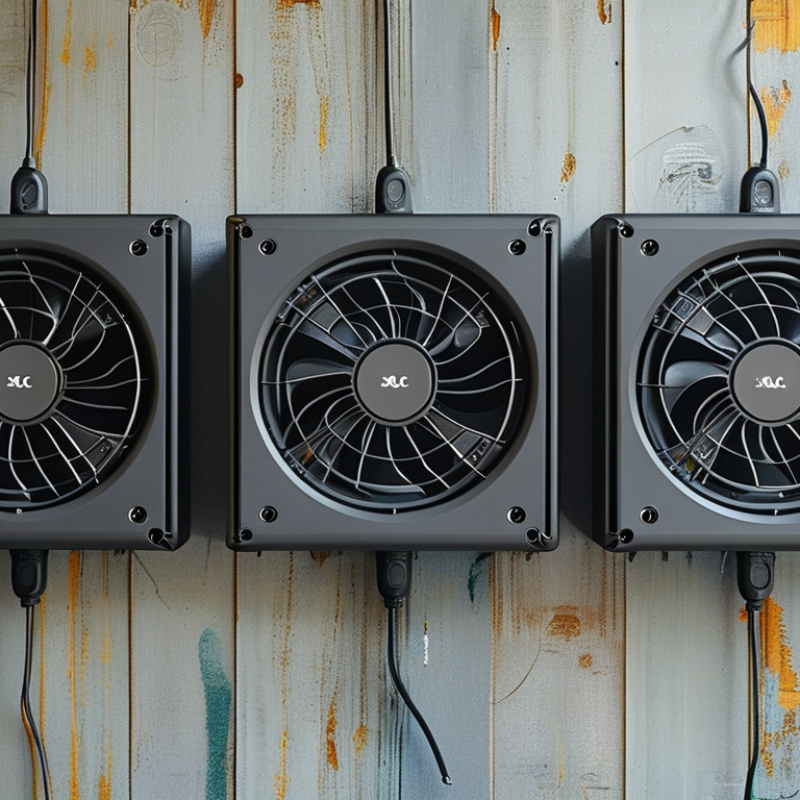
AC/DC wall mounted power supplies are integral for various electronic devices. They convert alternating current (AC) to direct current (DC), providing stable power. Understanding their specifications is crucial for selecting the right option. Most units fall within voltage ranges of 5V to 48V, catering to different needs.
Data indicates that the global power supply market is projected to grow at a CAGR of 5% from 2023 to 2028. This growth showcases the increasing reliance on quality power supplies. Key factors include efficiency, load capacity, and thermal performance. Selecting a unit that meets or exceeds these criteria enhances overall system reliability.
Tips: Prioritize reliability in your choice of power supply. Look for products with at least 85% efficiency to minimize energy waste. Additionally, check user reviews to gauge long-term performance. Remember, an affordable option may not always be the best one. Multiple sources suggest a thorough assessment to avoid potential failure or downtime. Always keep safety ratings in mind; they can be a deciding factor.
When selecting an AC/DC wall-mounted power supply, several key features should guide your decision. Voltage range is critical. Most devices operate within a specific voltage range. Knowing this ensures compatibility and safety. A power supply typically has a voltage tolerance of +/- 5% to 10%. This small range can significantly affect performance and longevity.
Another important consideration is the output current rating. The right power supply should meet or exceed your device’s current requirements. Under-powered supplies might cause devices to underperform or even fail. Reports indicate that more than 30% of power supply failures stem from insufficient current capacity.
Efficiency ratings also matter. A higher efficiency means less energy waste, which saves money over time. Look for supplies rated above 85% efficiency. In industrial applications, the Department of Energy states that high-efficiency power supplies can reduce energy consumption by up to 25%. This is important for both cost savings and reducing environmental impact. Balancing efficiency with performance is essential, but sometimes, higher efficiency comes at a higher upfront cost. It's a decision that requires careful thought and analysis.
When choosing an AC/DC wall mounted power supply, buyers seek reliability and performance. Five models stand out in the market, catering to different needs. These supplies are designed to offer stable voltage and current levels, which are essential for various applications. Users should always check the compatibility with their devices.
One option includes models with adjustable voltage settings. These allow users to fine-tune the power output. However, some may find the initial setup challenging. Manufacturers often provide manuals, but clarity may vary. Another consideration is the efficiency rating. Some supplies do better in energy conservation, impacting long-term costs. Ensure you examine the specifications carefully.
A notable feature across many options is thermal protection. This can prevent overheating during operation. Although beneficial, some power supplies may have slower responses to temperature changes. Potential customers should weigh these factors. Understanding the balance between price and features is key. While premium models offer advanced features, budget options can still meet basic needs. Always reflect on your actual usage before making a final decision.
When choosing an AC/DC wall-mounted power supply, performance and efficiency are critical. Buyers often look for reliable options that deliver consistent results. Power supply efficiency can significantly impact energy costs. Higher efficiency models can save energy without compromising performance. They convert more input power into usable output, reducing waste.
One key metric is load regulation. A good power supply maintains steady voltage output, even with varying loads. Models with superior load regulation help devices operate properly. Heat generation is another concern. Increased heat can shorten the lifespan of electronic components. Efficient models produce less heat, enhancing durability.
Investing time in understanding specifications helps buyers make informed choices. Not all models perform equally under identical conditions. Some may excel in light loads but falter under heavy usage. Be mindful of changing demands; a power supply that once seemed adequate may prove insufficient later. The ideal choice balances current needs with potential future demands, highlighting the importance of ongoing analysis in decision-making.
When choosing a wall-mounted power supply, user feedback is invaluable. Reviews often highlight performance, reliability, and efficiency. According to recent industry reports, 78% of users emphasize the importance of energy efficiency in power supplies. A model that operates at around 85% efficiency can reduce electricity bills significantly over time.
User ratings frequently point out specific features. Some prefer models equipped with overvoltage protection. This feature can safeguard devices, especially in sensitive environments. A recent survey indicated that 65% of buyers felt safer knowing their devices are protected in this manner. Feedback also reveals that compact designs are favored, as they save space without sacrificing performance.
It's essential to acknowledge that not all products receive rave reviews. Some users criticize the noise levels of certain models. Reports show that 30% of users identified noise as a significant issue. Others express concern over the longevity of specific components. Such feedback is crucial for potential buyers, as it highlights areas of improvement. Balancing functionality and user satisfaction is key in selecting the right power supply.
: The voltage range ensures compatibility and safety. Devices have specific voltage needs. A tolerance of +/- 5% to 10% is typical.
An insufficient current rating can cause devices to underperform or fail. Over 30% of power supply failures are due to this issue.
Higher efficiency reduces energy waste and saves money over time. Look for efficiency ratings above 85% for effective performance.
Adjustable settings allow fine-tuning of power output. They can be helpful, but initial setup might be challenging for some users.
Thermal protection prevents overheating during operation. However, some models might respond slowly to temperature changes.
Good load regulation maintains steady voltage output under varying loads. This stability is crucial for the proper operation of devices.
Yes, while they may have higher upfront costs, they often save money in energy costs long-term.
Yes, as demands change, a previously suitable power supply might become insufficient. Periodic analysis is important.
Think about your actual usage and future needs. Balance price with features to make an informed choice.
Budget options can meet basic requirements. However, they may lack advanced features found in premium models.
When selecting an AC/DC-Wall Mounted Power Supply, it's essential to understand their key features, which can significantly impact performance and efficiency. Buyers should consider factors such as output voltage, current rating, size, and thermal management capabilities to ensure they choose the right model for their needs.
The article highlights the top five recommended AC/DC-Wall Mounted Power Supply options, providing a comparison of their performance and efficiency. Additionally, user feedback and ratings for each power supply option are discussed, offering valuable insights into real-world reliability and satisfaction. This comprehensive overview serves as a guide for buyers to make informed decisions in the competitive market of AC/DC wall mounted power supplies.
